

FINAL HOURS: Prosecutor Warned Epstein Death “Likely Homicide” As New Scrutiny Falls on Jail
Plus, Reiner’s jail conditions draw eyes, Joe Kent pushes back, Joseph Duggar faces sickening new allegations, and Nancy Guthrie kidnapping likely took more than one pair of hands: FPD DRIVE-BY
You don’t have time for three hours of doomscrolling, twenty half-baked takes, and some guy online screaming READ THE THREAD. We are Front Page Detectives, this is your morning Drive-By, and here is what is real.

NEW YORK: A Former Prosecutor Warned Feds Epstein’s Death Was Likely Homicide
A newly surfaced email throws gasoline on the oldest unresolved question in the Epstein saga and makes the official story look shakier than ever.
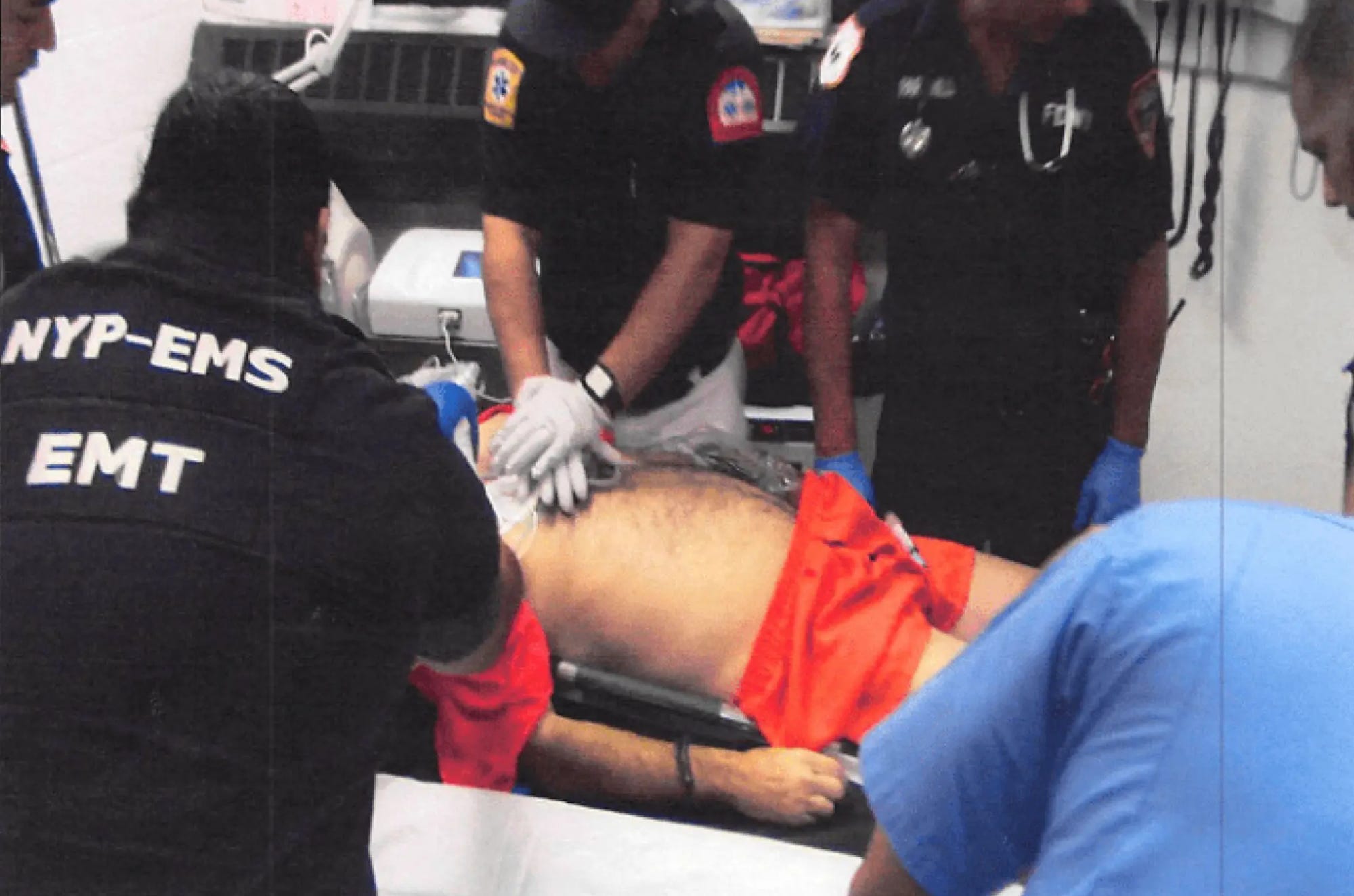
A newly surfaced email in the DOJ document dump has shoved Jeffrey Epstein’s death right back into the center of the story.
A former Kings County prosecutor emailed a federal prosecutor on July 2, 2020, the day Ghislaine Maxwell was arrested, and said that many in law enforcement believed Epstein’s death “was a homicide.” He urged officials to keep Maxwell isolated and monitored around the clock so she could live long enough to face justice that he believed had already been dodged once in the 2008 non-prosecution deal.
That would already be combustible enough, but the surrounding details only make the old nothing-to-see-here line look shakier.
FBI records show that on August 9, 2019, Epstein’s cellmate Efrain Reyes was removed, leaving him alone in his cell, and that Epstein was allowed to make an unauthorized, unrecorded, and unmonitored call to Karyn Shuliak that night before he was found dead the next morning in cell 220 at the MCC. Those details do not prove homicide, but they do explain why the case has never stopped smelling wrong to a lot of people.
Congress is now poking at the prison side of the story again, too. House Oversight Chair James Comer said earlier this month that the committee wants to interview former MCC guard Tova Noel, who was on duty the night Epstein died. Newly released DOJ files showed she searched for Epstein online shortly before he was found dead, and Comer said suspicious bank deposits tied to her were “concerning,” while also making clear that she has not been accused by the committee of causing Epstein’s death.
That is where this story sits now. Not solved, not clean, not settled. The official ruling remains suicide. But every new disclosure seems to produce another detail that makes the official story look less like closure and more like a thin lid pressed down on a box that keeps rattling underneath it.
Hot Take
When veteran prosecutors start writing “homicide” in private emails and Congress starts circling the guards again, the system is not burying doubt. It is feeding it.

NEW YORK: New Claims of Shredded Paperwork Deepen the MCC Suspicion
Fresh allegations about bags of destroyed documents make the aftermath of Epstein’s death look even dirtier than the death itself.
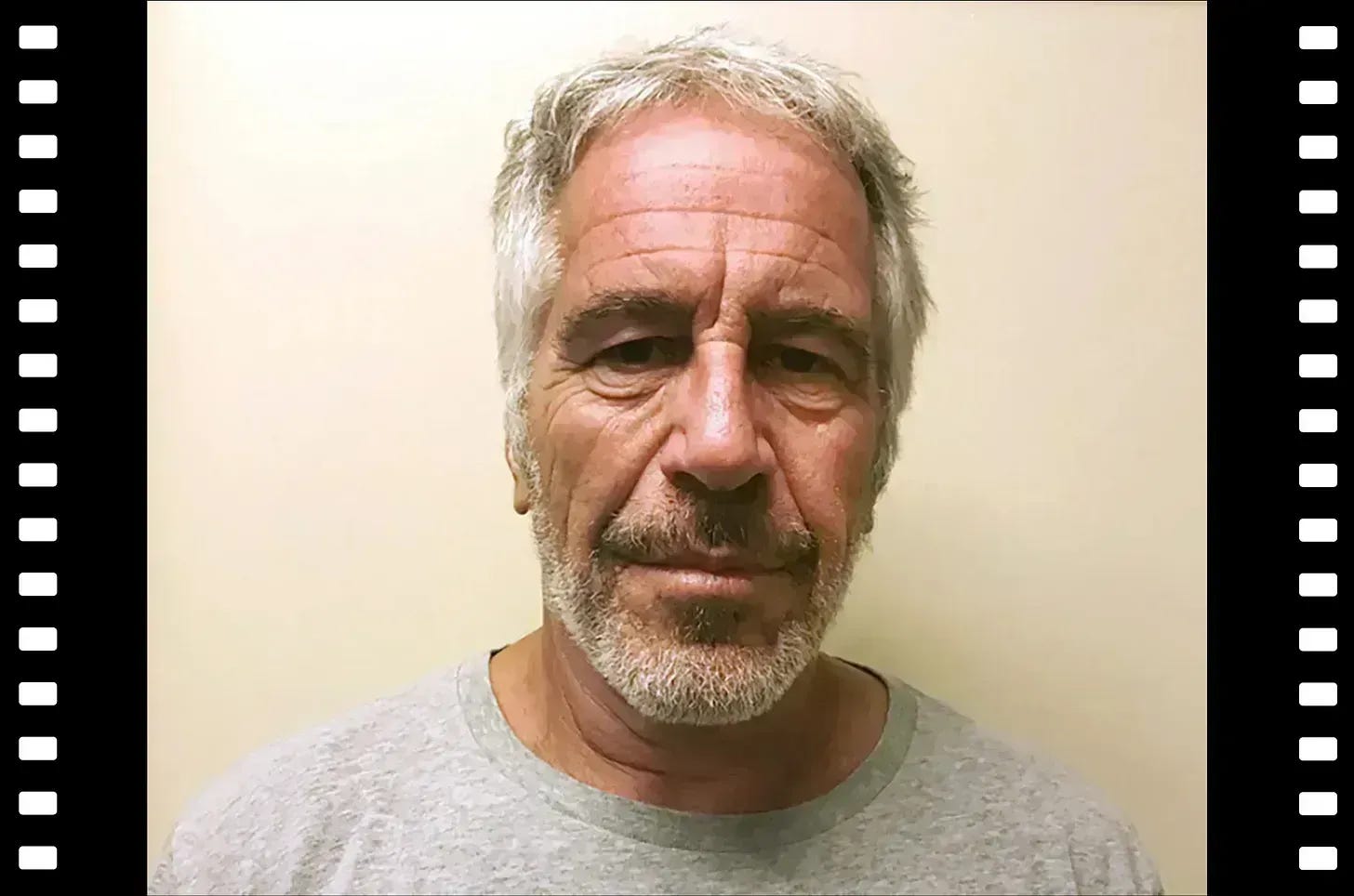
If the first Epstein story is about what people thought, the second is about what may have disappeared. A newly highlighted report alleges that in the days after Epstein’s death, a Bureau of Prisons review team entered the MCC and witnesses saw large quantities of shredded paperwork being hauled out while multiple agencies were already on scene.
The language in the report is lurid because the allegation itself is lurid. It describes bags of shredded papers, urgency around getting material out before dumpster pickup, and at one point an instruction that allegedly included the line “Make sure you get that box too.” The report suggests the activity happened while an after-action team was supposedly reviewing what went wrong at the jail after Epstein’s death. That does not establish what was shredded, who ordered it, or whether any relevant evidence was actually destroyed. But it absolutely detonates the optics.
That distinction matters. These are allegations in a surfaced report, not a proven court finding. We do not yet have a public accounting from the DOJ explaining what those witnesses saw, whether it was routine destruction, panicked cleanup, or something more sinister. But the reason this story bites so hard is obvious. In any jail death involving a figure like Epstein, the one thing the public expects is preservation. Not shredders. Not dumpsters. Not witnesses talking about mountains of paper leaving the building.
And so the MCC story gets uglier by increments. A dead prisoner who should never have been alone. Guards who failed to check him. Strange searches. Suspicious deposits. And now claims of bulk shredding in the immediate aftermath. Even if every piece has an innocent explanation, the combined effect is devastating. Innocence looks incompetent. Incompetence looks corrupt. Corruption looks like a cover-up.
Hot Take
You do not calm a suspicious death by letting the public picture bags of shredded paperwork rolling toward a dumpster behind the jail.
LOS ANGELES: Nick Reiner’s Jail Conditions Draw New Scrutiny
The son accused of killing Rob and Michele Reiner is no longer a Hollywood tragedy headline but a high-risk inmate under intense watch.

The newest wrinkle in the Nick Reiner case is not a courtroom revelation but a picture of what happens after the cameras leave. Following his not guilty plea in the killings of Rob Reiner and Michele Reiner, fresh reporting has focused on his jail conditions, with claims that because of the case’s profile and his mental health concerns he is being held in an especially restrictive environment.
The broad outlines of the criminal case remain clear. Reiner, 32, pleaded not guilty last month to first-degree murder charges in the stabbing deaths of his parents and remains jailed without bail. The newer reporting says he has effectively been segregated from other inmates and has appeared in clothing associated with suicide watch or mental observation housing, according to commentary from former LA County sheriff Alex Villanueva. Those details come from media reporting and jail protocol analysis rather than a formal sheriff’s department breakdown of his exact status, so they should be treated carefully. But they fit the deeper reality of a defendant in a notorious double-murder case who has long-documented mental health and substance abuse struggles.
What this really does is sharpen the shape of the case to come. The prosecution has a horrific crime scene, famous victims, and a defendant already described in months of reporting as deeply unstable before the killings. The defense, meanwhile, is staring at a case where public sympathy for the dead is enormous and the practical question may turn less on whether something terrible happened than on what state Nick Reiner was in when it happened.
Behind all of it sits the grimmest point of all. The Reiner case is now moving from Hollywood shock to system routine. Special housing. Suicide precautions. Controlled movement. A man who grew up in one of America’s most connected cultural households now reduced to a monitored cell, a public defender, and a court calendar. Whatever else comes next, the glamour part of this story is dead already.
Hot Take
The tabloid version of this case is Hollywood horror. The real version is colder. It is a broken son in a concrete box while the state decides whether madness explains murder or just shadows it.

WASHINGTON: Joe Kent Calls the Leak Probe a ‘Sideshow’
Trump’s former counterterror chief is not retreating and is trying to turn the spotlight back onto the Iran war that blew up his career.
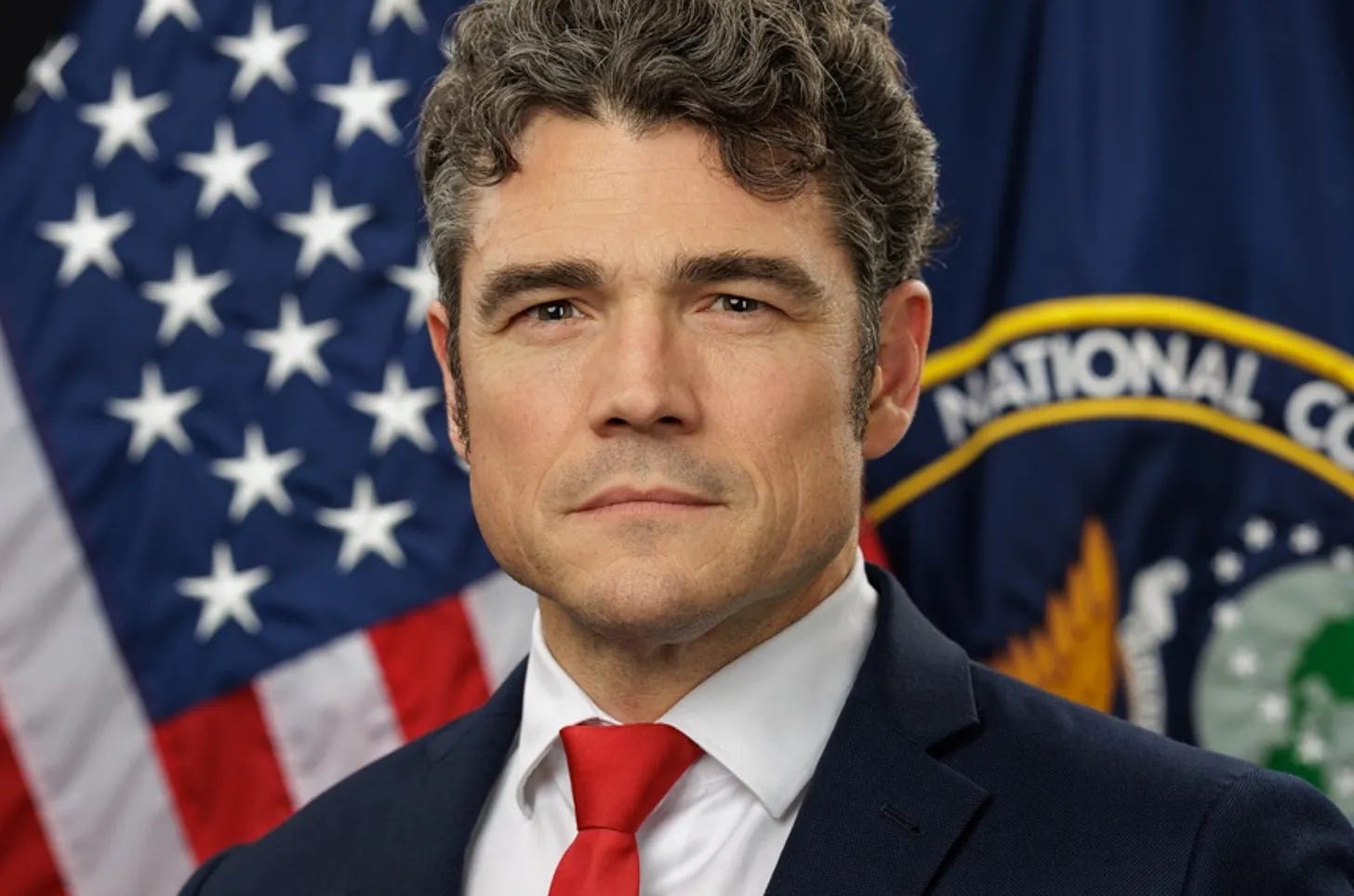
Joe Kent is not backing down. In a new interview with Megyn Kelly, Trump’s former counterterrorism chief hit back at reports that he is under FBI investigation for mishandling classified information, saying he “did nothing wrong” and calling the whole thing a sideshow compared with his mission to oppose the Iran war.
Kent’s position is now familiar but still explosive. He resigned over the Iran war, has argued publicly that Iran posed no imminent threat to the United States, and has said Israeli pressure drove the administration’s decision-making. In the Kelly interview, he framed the aftermath as predictable retaliation, saying he knew the playbook and expected to be hit once he broke ranks. The FBI declined comment when asked about the reported probe, which leaves the public staring at the usual Washington fog of unnamed sources, strategic leaks, and weaponized ambiguity.
That ambiguity is doing political work all by itself. Kent does not need the probe to be fully substantiated for it to serve as a warning shot to others inside the system. Equally, the administration does not need a formal charge for the headlines to tag him with suspicion. This is how power now fights in public. You do not settle the argument first. You poison the frame and let the audience choose its villain.
The danger for the White House is that Kent is not some anonymous bureaucrat whining online. He is a decorated veteran, a former Trump loyalist, and now a highly usable witness for the anti-war right. Every interview he gives broadens the split between the administration and the wing of its own coalition that thinks the Iran war was a betrayal. The more they punch him, the more he looks like proof that dissent is being punished rather than answered.
Hot Take
When a former counterterror chief says “I did nothing wrong” and the government replies by leaking shadows instead of facts, nobody looks strong. They just look scared in different ways.

ARKANSAS: Joseph Duggar Faces Sickening New Allegations
A monitored call, an alleged confession, and another Duggar scandal that drags the family name deeper into the mud.
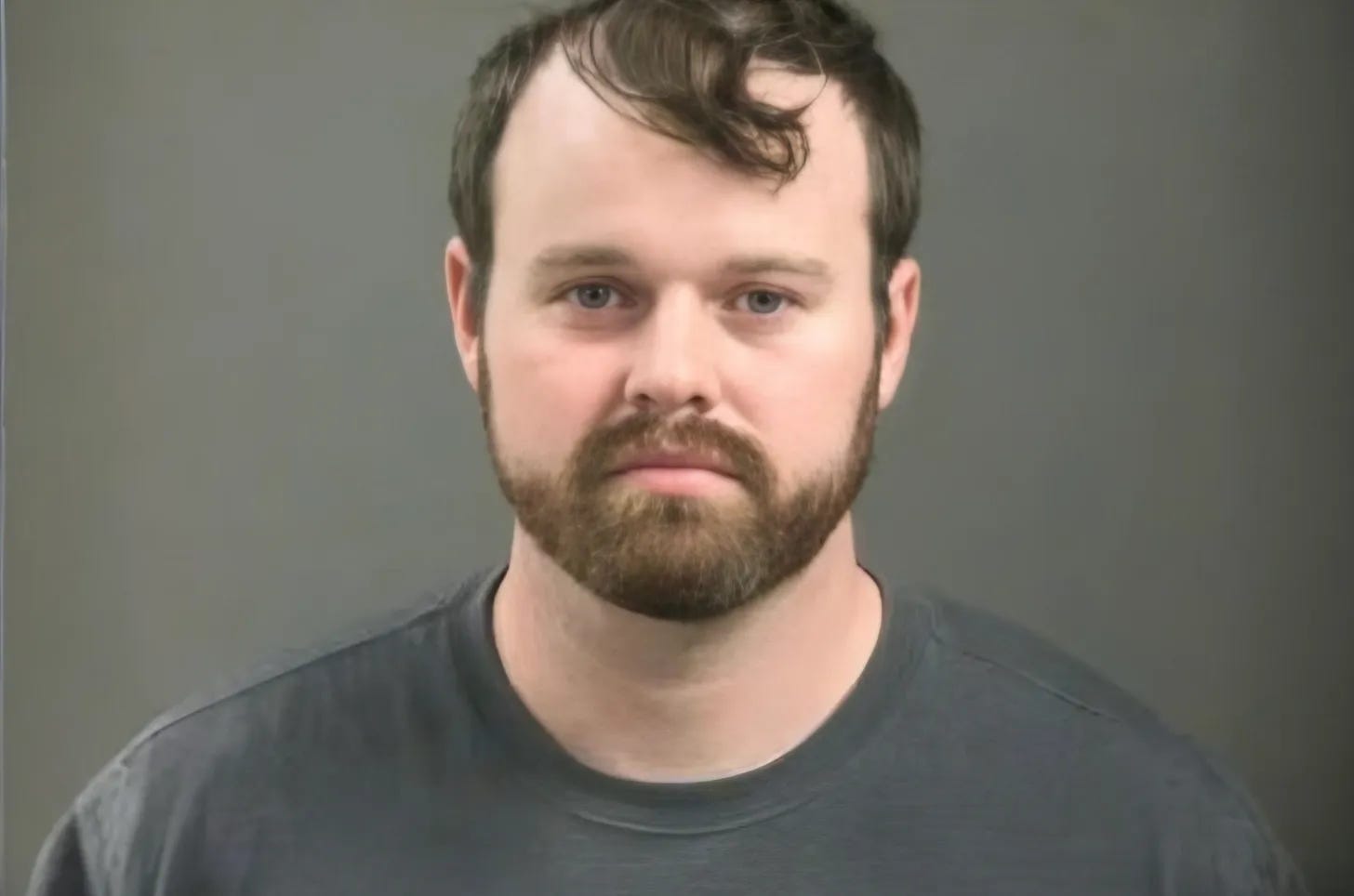
The newest Duggar story is exactly as ugly as it sounds. According to an affidavit reported by People, Joseph Duggar allegedly admitted during a monitored phone call with the child’s father and a detective that he had touched a 9-year-old girl over her clothing and that “his intentions were not pure.” The affidavit says investigators arranged the call after being told Duggar had already made admissions in an earlier conversation.
The alleged victim, now 14, told investigators the abuse happened during a 2020 family vacation in Panama City Beach. According to the affidavit, Duggar repeatedly had her sit on his lap, used a blanket to cover them, touched the upper portions of her thighs, and on multiple occasions grazed her genital area, leaving her uncomfortable and confused. The documents also say he later apologized and the incidents stopped after that.
Authorities are now working to extradite him from Arkansas to Florida, where he is expected to face a charge of lewd and lascivious molestation of a child under 12 by an adult. The case lands on ground already poisoned by the Duggar family’s long public history with sexual abuse scandals, especially the conviction of Josh Duggar in the child sexual abuse material case. Whatever legal distinctions exist between the family members and cases, the larger public picture is obvious. Another Duggar man. Another child sex allegation. Another affidavit that reads like a sickness hiding in plain sight.
And that is the through line now haunting the Duggar brand. What was once sold as rigidly moral family order keeps collapsing into allegations of private depravity and control. The reality-TV packaging is gone. What remains is the record. Affidavits. Extradition. Criminal charges. The word “pure” used in a confession about a child. You do not need a media critic to tell you that the wholesome empire is finished. The paperwork says it louder than any commentary could.
Hot Take
The Duggar myth was always discipline, faith, and family order. The case file keeps translating it into something far darker.
ARIZONA: A Former Detective Thinks Nancy Guthrie’s Kidnapping Took More Than One Person
The longer the Nancy Guthrie case stays unsolved, the more it looks less like chaos and more like a coordinated job.

The Nancy Guthrie case has now reached the stage where retired investigators are openly sketching the mechanics of what they think happened, and one former Pima County detective is arguing this was likely no lone-wolf snatch. In comments reported in recent coverage, former detective Kurt Dabb said the scale and logistics point to a carefully planned kidnapping that may have involved two to four accomplices.
That is expert opinion, not an announced law enforcement finding, and it needs to be read that way. The public facts remain that Nancy Guthrie, 84, disappeared from her Tucson home in the early hours of February 1, that authorities believe she was taken against her will, and that the investigation is still active with the family and police urging the public to keep checking memories, footage, and timelines. The Guthrie family has continued pleading for the southern Arizona community to come forward with anything that might matter.
Still, Dabb’s theory resonates because the case has never really looked random. The masked figure on camera. The timing. The apparent tampering. The age and vulnerability of the victim. The complete lack of easy public resolution weeks later. Those facts lend themselves to a view that whoever did this knew what they were doing, had thought ahead, and perhaps had more help than the public initially assumed.
At this point, the scariest thing about the Nancy Guthrie case may be how organized it feels even in the absence of a named suspect. One person is terrifying enough. A small crew is worse, because a crew implies planning, division of labor, and a decision that this was worth rehearsing. That does not mean Dabb is right. But it does mean his theory lands because the case itself has stopped looking like a simple burst of chaos and started looking like a design.
Hot Take
The longer this case stays unsolved, the harder it is to believe it was impulsive. Chaos leaves noise. Planning leaves silence.