

HIDDEN PROMIS: Epstein, Intelligence, and the Rise of Palantir
Newly surfaced records and long-overlooked connections reveal how elite networks intersect with one of the world’s most powerful data firms now embedded in Western governments: FPD SPECIAL REPORT
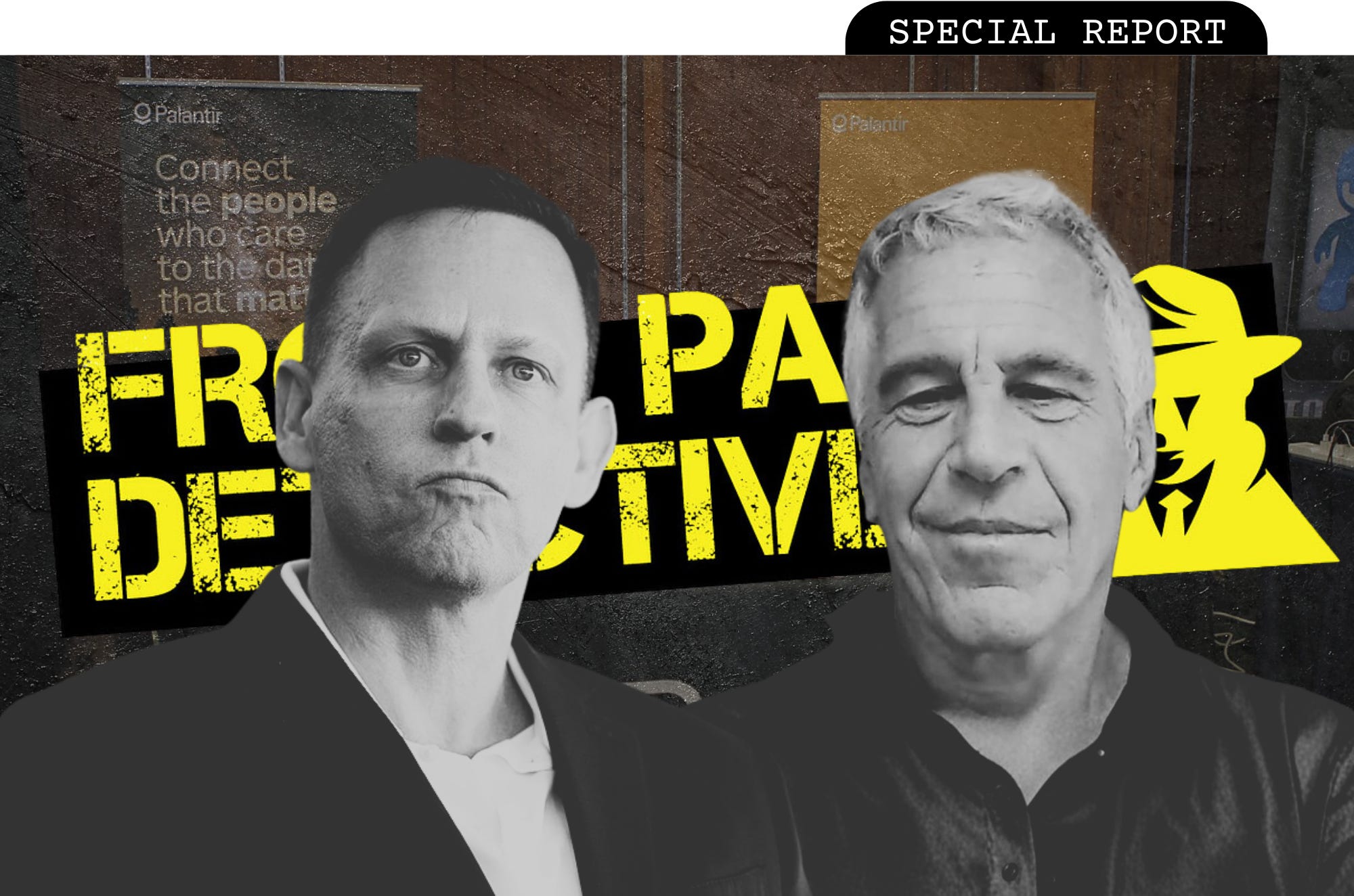
It didn’t look like much at first.
A handshake in Washington. A photograph, clean and composed, the kind governments release when they want something to look routine. A meeting between British Prime Minister Keir Starmer and the leadership of Palantir, the American data firm that has quietly and steadily embedded itself inside the machinery of modern states.
Around it, the usual choreography and statements about innovation, efficiency, and partnership. The language of progress. The suggestion that this is simply what governance looks like now.
But the timing was wrong.
Because within hours, another story surfaced that was longer, messier, harder to contain. It traced a line backward, away from Whitehall and Washington, into a network that should have no place in any of this. Namely, the financial and social orbit of Jeffrey Epstein. Not as rumour, not as background noise, but as part of the same overlapping set of relationships now sitting, uncomfortably in the open.
That is the point where this stops being a single story.
It becomes a question of how these worlds meet, how a company built on surveillance and data integration came to sit at the centre of Western governments, and how, along the way, it intersected with one of the most toxic networks of influence ever exposed.
Not everything in that intersection is proven. Not everything is clean. But enough of it is documented to make one thing unavoidable:
This is not a coincidence of headlines. It is a convergence.
And once you see it that way, the rest of the story stops looking like isolated events and starts to look like a system.